
History & Archives
Beginning in the 1850s, the story of the Episcopal Church in Los Angeles and greater Southern California is enlivened by people and places of faith and action.
Archival Collections
As part of the Digital Diocese initiative, work continues to scan and post historically significant texts, including the journals of Diocesan Convention and back issues of diocesan publications. Additional resources will be added as they become available.
Requests for baptismal and marriage records, as well as other historical research requests, may be directed to Canon Robert Williams, diocesan historiographer-archivist: rwilliams@ladiocese.org, 213.482.2040, ext. 240.
For resources from across the denomination, visit the Archives of the Episcopal Church.
Historical Highlights
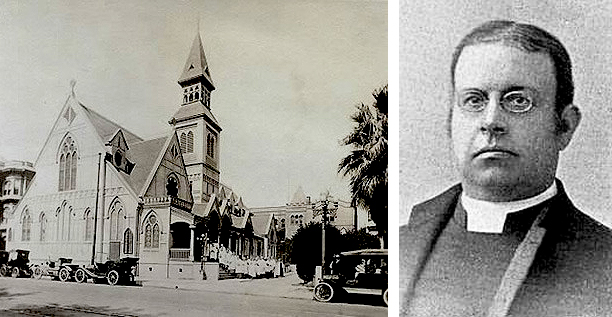
Diocese reaches 125-year milestone
When Bishop Joseph Horsfall Johnson addressed the first convention meeting of the new Southern California diocese named for the angels, he invoked the heavenly hosts’ familiar greeting: “Fear not!” Seeking to inspire courage among pioneering delegates, Johnson suggested a watchword for the fledgling Diocese of Los Angeles.
Read the 125-year milestone story
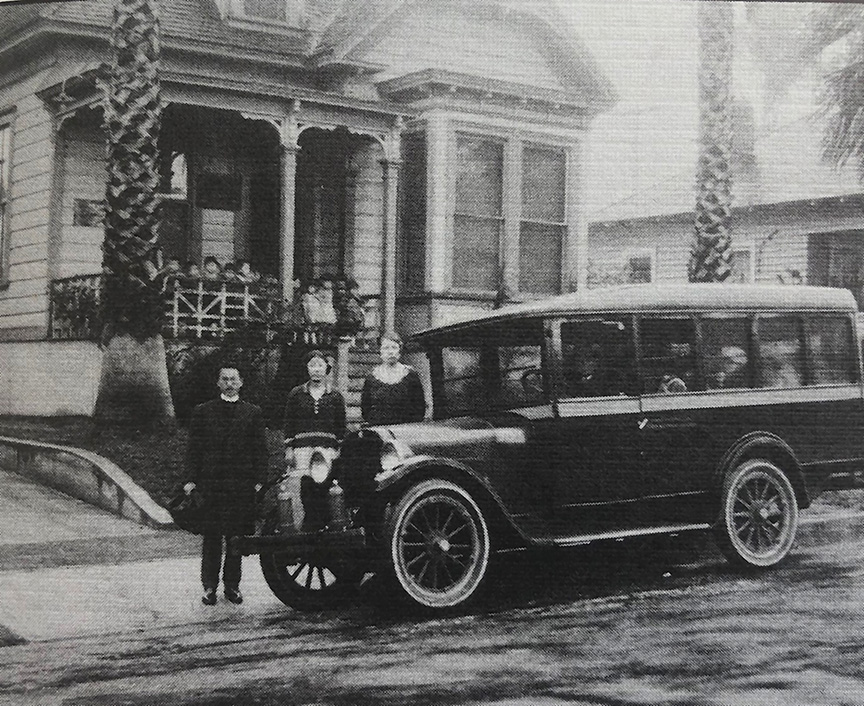
Then & Now: Southland Episcopalians weather 1918 and 2020 pandemic crises
The 1918 global influenza pandemic hit Los Angeles as the Sunday school of St. Mary’s Episcopal Church was growing rapidly. Its young vicar, the Rev. Dr. John Misao Yamazaki, replaced a borrowed horse and wagon with a Dodge bus to transport students to the church buildings on South Mariposa Avenue near Tenth Street, now Olympic Boulevard.
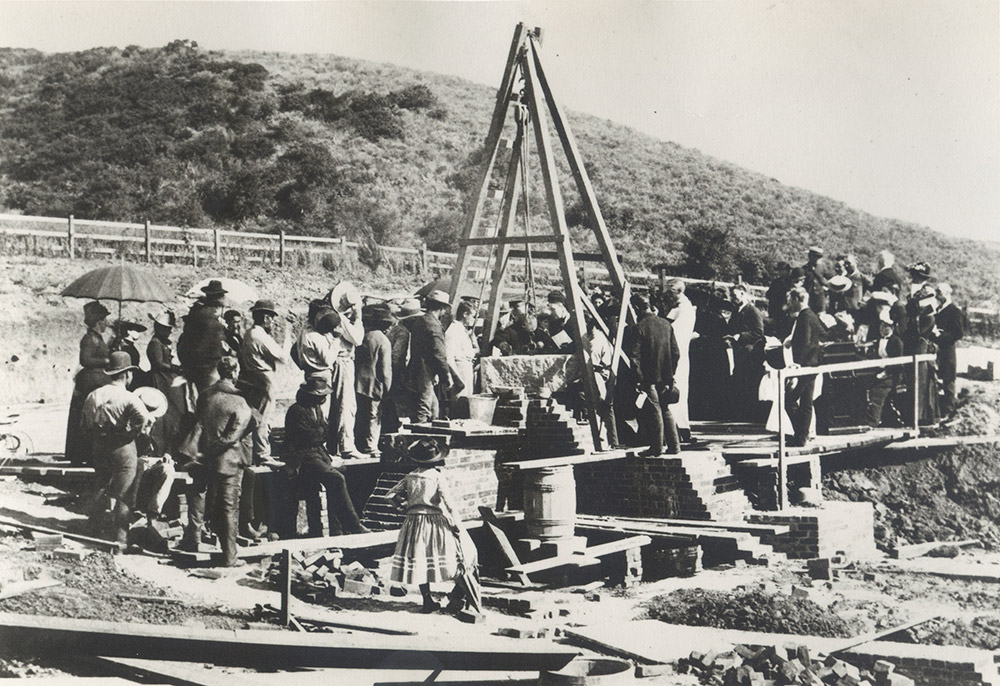
Pasadena’s Church of the Angels
Its cornerstone was laid on Easter Eve, April 20, 1889. Church of the Angels is one of Southern California’s oldest continuously operating churches. Learn more from the church’s history page or watch its brief video history.
L.A.’s Church of the Epiphany
Church of the Epiphany in Lincoln Heights played a key role in advocacy with the Chicano movement, regularly hosting civil rights leaders Cesar Chavez and Dolores Huerta in their early activism. Read the KCET feature.