By Pat McCaughan
*The event name and times have been changed since first publication.
To register, click here.
The Nov. 7 “Our Call to Carbon Neutrality”* summit is an invitation to diocesan congregations and schools to live into The Episcopal Church’s goal of net carbon neutrality by 2030.
“This is an opportunity in terms of boosting people’s engagement with creation care, with climate action and climate justice and advocacy as well,” said the Rev. Daniel Tamm, a co-chair of the Bishop’s Commission on Climate Change, which is hosting the event.
The commission aims to assist diocesan congregations and schools to achieve carbon neutrality by 2035, said Tamm, a deacon at Holy Nativity Church in Westchester. Los Angeles County Supervisor Lindsey Horvath is among the featured speakers.
Horvath represents L.A.’s third district, including Pacific Palisades, where January 2025 fires destroyed thousands of homes and displaced residents. “She’s going to offer the L.A. County sustainability plan,” Tamm said. “She was intimately involved with the fires and will reflect on her experience with dealing with them and with matters of resiliency that have since come to the fore.”
Other speakers will also include Steve Slaten, a member of All Saints Church in Riverside, commission co-chair the Rev. Payton Hoegh, and Kate Varley Alonso, the commission’s education committee chair, among others.
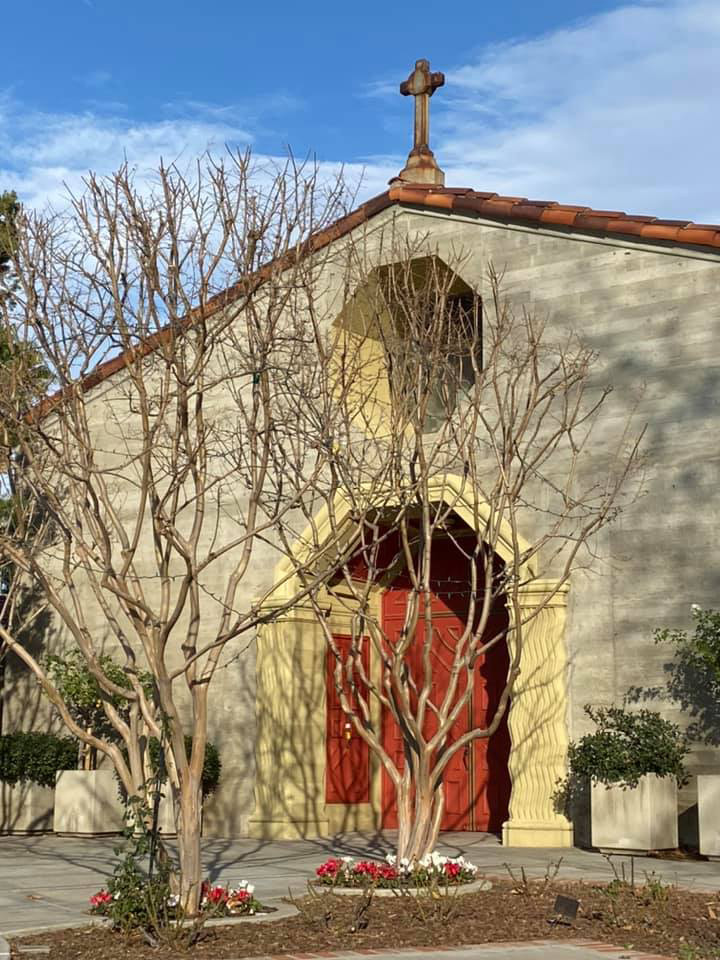
The Riverside church has completed an innovative $257,000 solar energy project featuring a 60-by-30-foot pergola on its south lawn.
Varley Alonso said the summit will include a preview of the diocesan “Our Call to Carbon Neutrality Program”, which will be launched in January 2027. It is “a how-to series of four to six virtual sessions that will provide participants with step-by-step tools to carbon neutrality. This is accessible, within reach. We don’t have to invent the wheel; there are wonderful models that have already shown this can work.”
Included among those examples is St. Dunstan’s Church in Dover, Massachusetts, which has already achieved 100 percent carbon neutrality, or balancing the carbon dioxide released into the atmosphere with an equivalent amount removed or offset.
“Carbon neutrality is first and foremost about energy efficiency and energy conservation and making sure that any sources of carbon—like anything supplied by natural gs or fossil fuels is eliminated, because that is what is warming our world,” Varley Alonso told The Episcopal News.
“It’s about looking at how your church is heated and cooled. How are you keeping the lights on?” she said. The program will also guide participants in considering: “What are your energy bills? How is your energy supplied? Does your kitchen have a natural gas stove? Could you change to electric or induction cooking? Landscaping is part of this. Your water usage is part of it; composting is part of it.
“Carbon neutrality is about how you can create energy savings so that you can free up money in your budget for ministry,” Varley Alonso said. “All of our messaging will be around the myriad health and economic benefits of energy conservation and money savings that can roll into other ministries, into outreach and parish initiatives.
“God is calling us to care for our creation, and we all know that our world is warming up. We need to do our part to try and mitigate the amount of carbon going into the atmosphere. And the most wonderful way we can show God’s love to the world is through our call to carbon neutrality.”
The summit will be held from 9:30 a.m. to 12:30 p.m.,* on Saturday, Nov. 7 at St. Paul’s Commons, 840 Echo Park Avenue in the Jonathan Daniels Room.